For years, omnichannel has been one of those retail terms that everyone uses and few people define in the same way. In some categories, it can still feel like a strategy conversation, something discussed in planning meetings, media reviews, and annual business plans. Grocery is different because shoppers have already made omnichannel part of their weekly routine.
A grocery shopper might start with a meal idea they saw on TikTok, check a retailer app for pricing, add a few staples to a digital cart, walk the store for fresh produce, use loyalty offers while shopping, compare a brand on the shelf with what they saw online, and then reorder the same item two weeks later without much thought. That entire journey can happen across multiple retailers, multiple screens, and multiple moments of intent, but to the shopper, it feels like one connected experience.
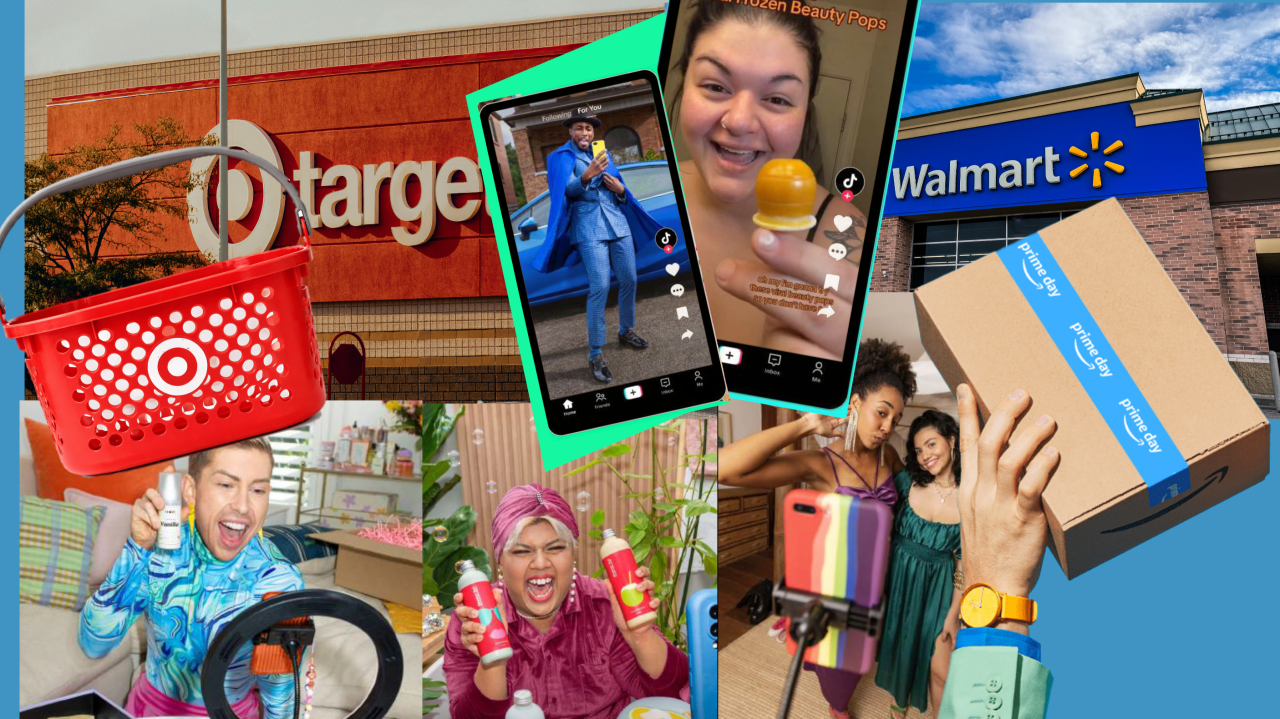
Our TikTok research has pointed to the same shift: TikTok can create the spark, but the sale may happen later through Amazon, Walmart, Target, grocery pickup, delivery, or an in-store trip. For grocery brands, the opportunity is not just showing up on TikTok, but making sure the retail system is ready when that attention turns into search, comparison, and purchase.
That is why grocery has become one of the clearest places to see what modern retail really looks like. The category brings together everything brands tend to discuss separately: the digital shelf, the physical shelf, retail media, loyalty data, social discovery, pricing, promotions, availability, pickup, delivery, and in-store execution. In grocery, those pieces do not sit in neat lanes. They all influence the same shopper decision.
Bluebird’s grocery research reinforces just how blended the grocery journey has become. The overwhelming majority of shoppers now buy groceries both online and in-store, while digital engagement is happening before the trip, during the trip, and after the trip. At the same time, the physical store remains central to how people shop, especially in categories where touch, freshness, trust, and habit matter.
For brands, this is the part worth paying attention to. Grocery shoppers are not choosing between digital and physical. They are using both, often within the same shopping mission. A shopper may discover a product on TikTok, validate it through search, notice it in a retailer app, find it in-store, and then continue buying it through pickup, delivery, or a repeat grocery run. The path is not always linear, but it is increasingly connected.
This creates a higher standard for brands. A strong retail media campaign can introduce a product to the right shopper, but the next step in the journey has to hold up. The product page has to answer real shopper questions. The item has to be searchable in the language people actually use. The price has to make sense in the context of the category. The product has to be available when and where demand shows up. The physical packaging has to be recognizable from the digital image. The promotion has to feel consistent across the places where shoppers compare.
Grocery exposes weak links quickly because the category is so tied to routine. Shoppers buy frequently, compare value constantly, and substitute easily. If a product is unavailable, unclear, hard to find, or difficult to justify in the basket, the shopper has plenty of other choices. Over time, those small decisions become habits, and habits are hard to win back once another brand becomes part of the routine.
This is why grocery deserves a more connected retail plan. Social, media, content, inventory, pricing, merchandising, and operations all need to work together because shoppers experience them together.
Here are three areas brands should pressure test.
1. Build around the grocery mission
Grocery shopping is rarely one type of trip. A shopper may be stocking up for the week, replacing a household staple, looking for a quick dinner solution, trying a healthier option, shopping for kids’ lunches, preparing for guests, or staying within a tighter budget. Each mission changes what the shopper needs from a brand.
A product page should do more than describe the item. It should help the shopper understand how the product fits into the way they shop, cook, eat, clean, host, save time, or manage their household. That means usage occasions need to be clear. Pack sizes need to be easy to understand. Claims need to be specific enough to matter. Images need to help the shopper recognize the product quickly. Comparison points should make the choice easier, especially in categories where many products look similar at first glance.
This is especially important in grocery because the shopper is often moving with purpose. They may be filling a list, building a basket, or trying to make quick decisions in a crowded category. The brands that reduce friction have a better chance of making it into the cart.
2. Treat availability as part of the shopper experience
Availability is often discussed as an operations issue, but in grocery it has a direct impact on brand trust. When a shopper sees a product through media, adds it to a cart, and then cannot buy it, the brand loses momentum. When a shopper reaches for an item in-store and finds an empty shelf, the next best substitute is often right there.
That substitution moment matters. If the alternative works, the shopper may not come back.
This is why brands need a tighter connection between demand generation and demand capture. Before increasing spend, teams should understand where they are ready to convert. Which retailers have healthy availability? Which regions are at risk? Which pack sizes are vulnerable? Which promotions could create pressure? Which digital shelves are showing the product as unavailable? Where is store-level execution creating a gap between what the brand expects and what the shopper sees?
In grocery, demand can disappear quickly if the product is not ready for the trip.
3. Make the digital shelf and physical shelf reinforce each other
The grocery aisle is now shaped by the digital shelf, even when the final purchase happens in-store. Shoppers use retailer apps to find products, compare prices, check offers, review ingredients, scan for claims, and validate whether a product fits their needs. The phone has become part of the aisle.
That means digital content needs to support more than ecommerce conversion. It also needs to support in-store decision-making. A shopper looking at a product on their phone should be able to recognize it on the shelf. A claim featured online should match what they see on the package. A product benefit should be easy to understand in both places. A retailer search result should reflect the way people actually describe the category, not just the way the brand talks about itself.
The best grocery execution connects these moments. Digital builds familiarity. In-store reinforces confidence. Retail media creates awareness and demand. Loyalty and purchase data help brands understand behavior. Promotions encourage trial and repeat. Operations make sure the product is actually there when the shopper is ready.
For brands selling across grocery, Amazon, Walmart, Target, Kroger, club, and other major retail partners, the challenge is not simply being present in more places. The bigger opportunity is making the shopper experience feel coherent across those places.
Grocery makes that opportunity very tangible because the basket is built in real life, not in a channel plan. Shoppers are making practical decisions about price, convenience, taste, trust, availability, and routine. They are open to discovery, but they are also quick to move on when something creates friction.
That is what makes grocery such an important test of omnichannel maturity. It shows whether a brand can connect the pieces that influence how people actually shop.
The brands that do this well have a better chance of moving beyond a single purchase. They earn a place in the basket, then a place in the routine, and over time, that is where real grocery growth is built.