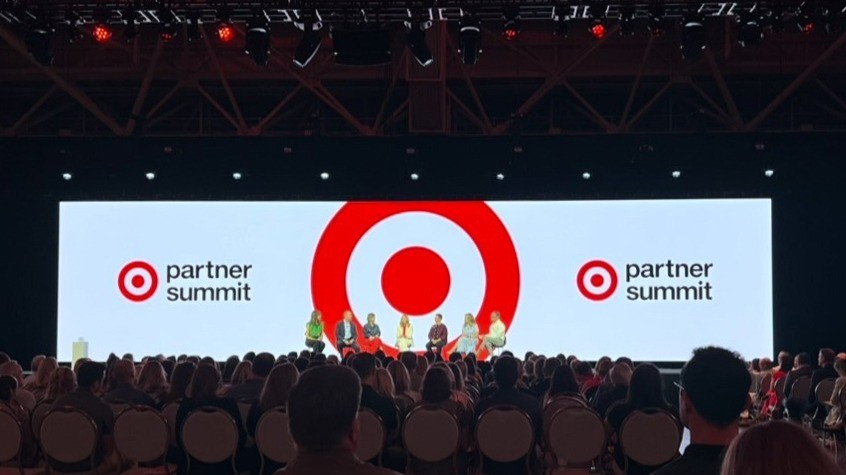
Every year, the Target Partner Summit brings together the people who shape what shows up in the baskets of millions of guests. We’re especially excited for the first summit under new leadership, arriving at a moment when Target has clarified its growth priorities and is signaling where it intends to invest, refine, and lead. For brands already in the ecosystem, this is less about reacting to a new strategy and more about recognizing where the momentum is building and how to move with it.
A More Defined Direction for Growth
In March, Target outlined their strategic plan for a new chapter of growth focusing on leading with merchandise authority, elevating the guest experience, accelerating technology, and strengthening team and community.
Style, design, and value now plays a central role in shaping how Target differentiates itself in the market. At the same time, specialty grocery is expanding as a place where discovery, quality, and everyday relevance meet. Layered into both is a renewed commitment to the in-store experience, with investments designed to elevate how products are presented, navigated, and ultimately chosen.

What We’re Excited About This Year
What stands out most heading into this year’s summit is the level of direction in how Target is talking about its future.
There is a stronger emphasis on building distinction through owned brands, not only as individual product lines but as a cohesive expression of what Target stands for. That conversation naturally extends to how brands can complement and elevate that standard, rather than compete against it.
There is also a clear investment in the physical store as a strategic asset. Expect the conversation in the room to focus on how in-store execution becomes more intentional, from team member labor and signage to how categories are curated. This is where brands have an opportunity to think beyond placement and into presence. How a product shows up, what it sits next to, and how it contributes to the overall shopping experience will matter more than ever.
On the grocery side, the discussion is likely to center on how Target continues to balance accessibility with aspiration. The leadership narrative is pointing toward an assortment that meets shoppers where they are financially, while still giving them reasons to explore, upgrade, and come back. Brands that can deliver both relevance and a clear point of view are well positioned in that environment.
“We are not trying to be an everything grocer or just another grocer down the street. Instead, we’re building a truly distinctive grocery destination where emerging brands, wellness and owned brands intersect. The next chapter is about sharpening our distinctive identity through curated discovery, own brands, wellness leadership and an in-store experience that makes food feel intentional, not transactional.” – Cara Sylvester, Executive Vice President and Chief Merchandising Officer
All of this adds up to a more integrated vision of growth, one where product, placement, storytelling, and execution are working in concert.
What to Read Before the Summit:
Target Outlines Strategic Plan for a New Chapter of Growth in 2026 and Beyond
Highlights from Cara Sylvester during the Q4 Earnings Call:
“We’re creating dedicated in-store platforms to celebrate big cultural moments from seasonal fandom to viral trends… designed to drive traffic by making Target a discovery destination for cultural moments throughout the year.” – Cara Sylvester
1. Merchandising is the starting point of the guest experience She draws a direct line between what Target sells and how guests experience the brand. Assortment decisions, presentation, and curation are not separate from experience. They are the experience.
2. A return to clarity and discipline Target is tightening how it makes decisions. That shows up in sharper assortments, more intentional curation, and a stronger point of view across categories. Less clutter, more conviction.
3. Owned brands, emerging brands, and newness are central to growth There’s a clear emphasis on strengthening owned brands while continuing to elevate innovation and emerging brands. Newness is being treated as a growth engine, not just a merchandising tactic.
4. Style and design authority expands beyond traditional categories What used to define Target in home and apparel is now being applied across the store, including grocery, wellness, and baby. The goal is a consistent, design-led point of view across every category.
5. Grocery is evolving into a differentiated destination Food is no longer just about convenience or price. Target is leaning into curated discovery, wellness, and owned brands to create a grocery experience that feels distinct from traditional retailers.
6. In-store execution is getting real investment and attention Stores are being repositioned as the most tangible expression of the brand. That includes better organization, stronger visual storytelling, and more intentional category presentation.
7. Culture and fandom are becoming traffic drivers through Fun101 Target is building permanent, in-store destinations around cultural moments, fandom, and sports. This moves beyond seasonal displays into something more consistent and immersive.